

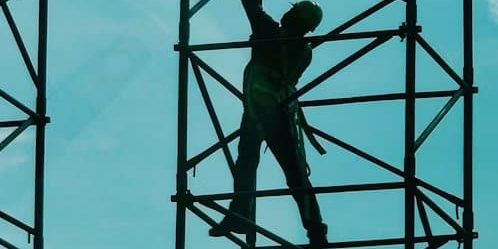
Scaffolding Safety: Who Inspects, When to Inspect, and What to Check
Scaffolds make work at height faster and more productive, but they also introduce serious hazards if they are not set up, used, and inspected correctly. The most common scaffold incidents fall into four categories: falls from platforms, falling objects, contact with electrical lines, and structural failure from improper assembly or overloading. The good news is that these risks are largely preventable with clear accountability and consistent inspections.
Who should inspect scaffolds
Every scaffold should be inspected by a designated competent person. In practical terms, this is someone trained to identify scaffold hazards and empowered to take immediate corrective action, including stopping work and tagging a scaffold out of service. A qualified person may also be required for engineered or non standard scaffold configurations, complex loading plans, or unusual site conditions. Even with formal inspections, every worker should do a quick pre use check before stepping onto a platform.
When inspections must happen
At minimum, inspections should occur before each work shift and after any event that could affect stability or structural integrity. Examples include high winds, heavy rain, ice or snow, ground settlement, impact from vehicles or equipment, suspected overload, relocation of a rolling scaffold, and any modification or partial dismantling. If conditions change, inspect again. When operating across multiple jurisdictions, follow the strictest applicable inspection and documentation requirements.
How to inspect: a simple bottom up method
A reliable inspection is systematic. Start at the ground and work upward:
Foundation and base: Ground is stable and not undermined. Base plates and mud sills are used as required. The scaffold is level and plumb, with no signs of settling or shifting.
Structure and stability: Frames, standards, and braces are installed correctly and show no bends, cracks, or severe corrosion. All pins, clips, and locking devices are present. Ties, anchors, and stabilizers are installed where required and remain secure.
Platforms and edges: Platforms are properly decked, with no large gaps, uplifted planks, or damaged decking. Guardrails, midrails, and toeboards (or other falling object controls) are in place where required.
Access and housekeeping: Safe access (ladder, stair tower, gates) is installed and secure. Work surfaces are clear of trip hazards, and the area below is controlled when overhead work is occurring.
Environmental and electrical hazards: Maintain safe clearances from power lines and stop work when weather creates unsafe conditions, such as strong winds, ice, or lightning.
Tagging and action
End every inspection with a clear status: OK to use, restricted use, or do not use. If any component is missing, damaged, or compromised, remove the scaffold from service until corrected.
How Pervidi can automate this: Pervidi can digitize your scaffold inspection program end to end by turning your checklist into a mobile friendly workflow with required fields, pass fail logic, photo capture, and automatic timestamps.
Inspections can be assigned by site, scaffold ID, crew, or shift, with reminders to ensure “before use” checks are completed and re inspections are triggered after events like weather, moves, or modifications. When an issue is found, Pervidi can automatically create a corrective action, route it to the right person, track it to closure, and keep a clean audit trail with reports, trends, and exportable records for internal reviews or regulatory requests.